Introduction
Do you enjoy creating videos and want to turn that interest into an income source? Freelance video editing offers a way to work with content creators, businesses, marketing agencies, production companies, and individuals who need video content.
You don’t necessarily need an expensive camera, a large studio, or years of industry experience to begin. You need the right skills, a computer that can handle your projects, a portfolio that demonstrates your ability, and a plan for finding clients.
However, freelancing is more than editing videos. You must also communicate with clients, manage deadlines, organize files, handle revisions, and market your services.
Step 1: Learn the Fundamentals of Video Editing
Before looking for clients, develop a solid understanding of cutting and trimming footage, timeline navigation, storytelling and pacing, audio synchronization and mixing, basic color correction, titles and subtitles, transitions and effects, and export settings.
Step 2: Choose Your Editing Software
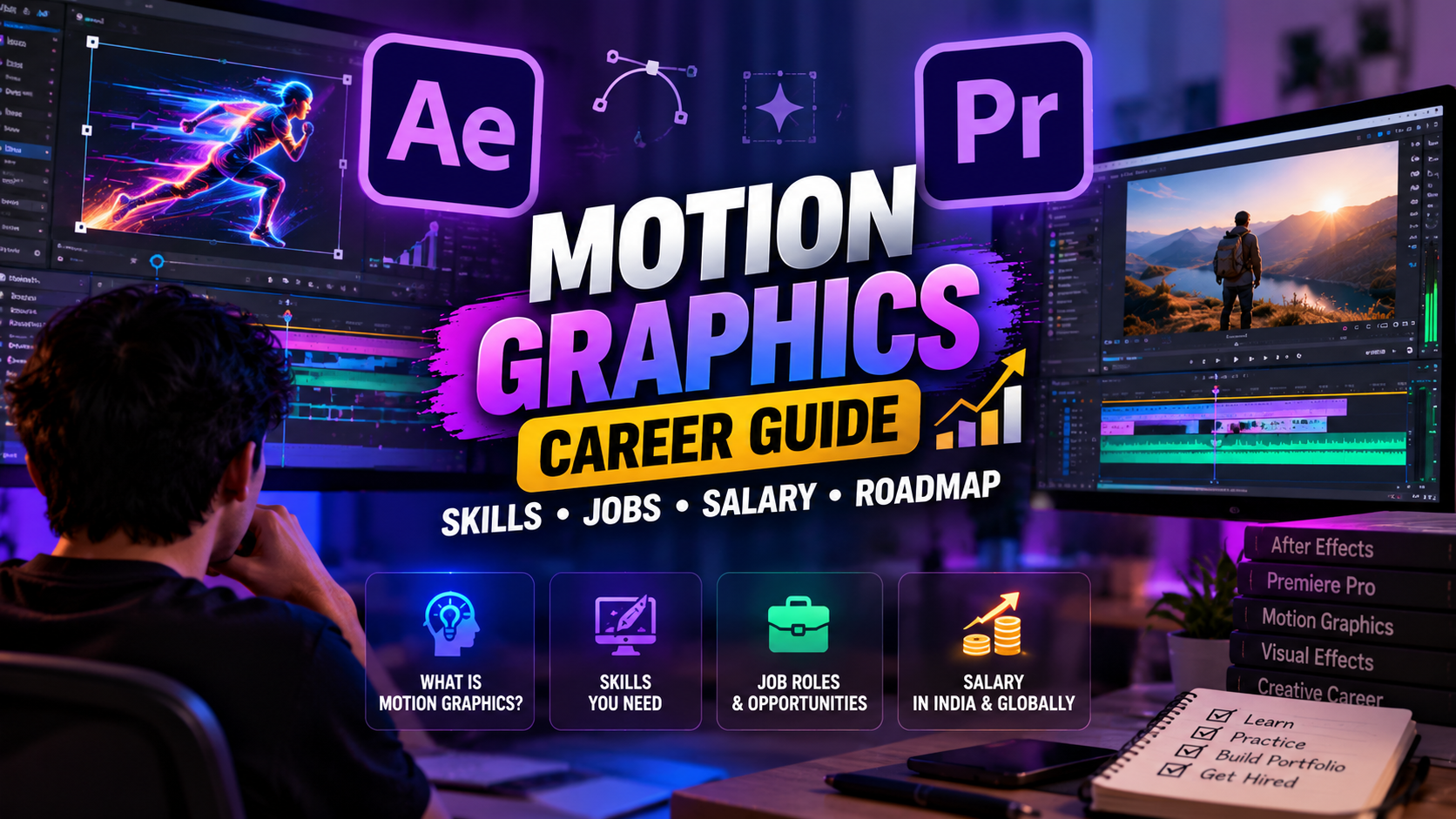
Adobe Premiere Pro is a widely used option for professional video editing. Adobe After Effects is useful for motion graphics, animation, and visual effects. Other applications may suit your needs. Start with one main application and learn its core workflow.
Step 3: Choose a Freelance Video Editing Niche
Trying to serve every type of client from the beginning can make it difficult to communicate your strengths. Consider YouTube editing, short-form video editing, commercial and promotional editing, wedding and event editing, or motion graphics. Choose based on your interests, developing skills, and desired clients.
Step 4: Build a Portfolio Before Searching for Clients
Create three to six polished samples that match your chosen services. Use footage you recorded yourself or stock footage properly licensed for your intended use. Clearly label self-initiated projects as samples rather than implying they were commissioned by real clients.
Step 5: Create Your Online Presence
Create a simple portfolio using a personal website or video-sharing platform. Include a short introduction, services, portfolio samples, preferred client types, contact information, and a clear process for requesting a quote. Share work on platforms where your intended clients may discover it.
Step 6: Find Your First Clients
Potential sources include freelance marketplaces such as Upwork and Fiverr, YouTubers and independent creators, local businesses, marketing agencies, wedding photographers, production studios, educators, and professional referrals. Tailor outreach to a specific need and share a relevant sample.
Step 7: Set Your Prices Carefully
Pricing should reflect scope, complexity, turnaround time, revision requirements, and the value of the deliverable. Clarify video length and format, supplied footage, graphics and subtitles, included revisions, deadline, and extra charges for work outside the agreed scope.
Step 8: Learn Client Communication
Before beginning work, confirm the client’s goals, audience, reference videos, brand guidelines, deadline, and delivery format. Ask questions when requirements are unclear and communicate delays early.
Step 9: Build a Repeatable Workflow
A reliable process includes understanding the brief, organizing assets, creating a rough cut, refining story and pacing, adding audio and graphics, applying revisions, quality-checking the export, delivering files, and archiving the project.
Step 10: Grow From Individual Projects to a Business
Look for ways to build a more predictable business through monthly packages, recurring clients, collaborations, or specialization. Track expenses, time, invoices, and payments. Consider workload and payment reliability, not revenue alone.
Essential Skills Beyond Editing
- Time management
- Creative problem-solving
- Written communication
- File management and backups
- Basic business development
- Negotiation and project scoping
- Understanding social media formats
- Staying current with new editing tools
Start Your Freelance Journey with Plan At B
At Plan At B, we focus on helping aspiring editors move beyond watching tutorials and start working on practical projects. Learning through assignments and portfolio-building exercises can help you develop editing confidence, understand professional workflows, and prepare samples that demonstrate your abilities.
Final Thoughts
Becoming a freelance video editor takes time. Start small, deliver carefully, learn from feedback, and build a reputation around the quality of your work.
Your freelance career doesn’t begin when someone hires you. It begins when you start developing the skills and portfolio that make you ready for the opportunity.